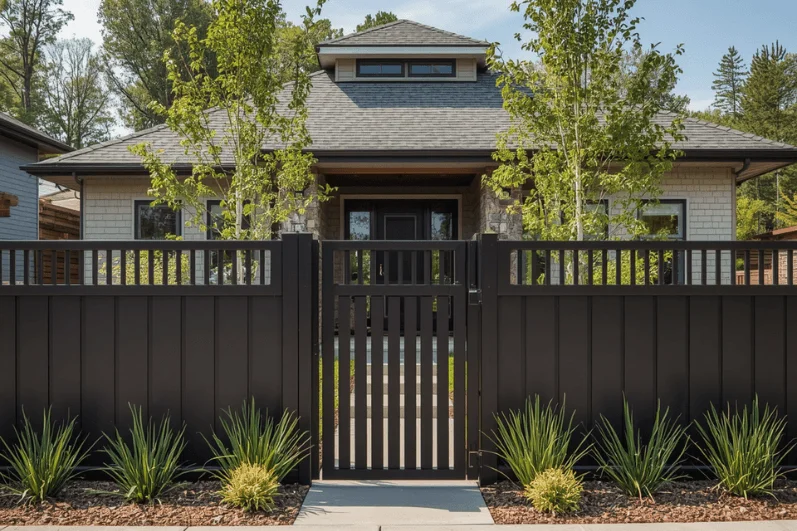
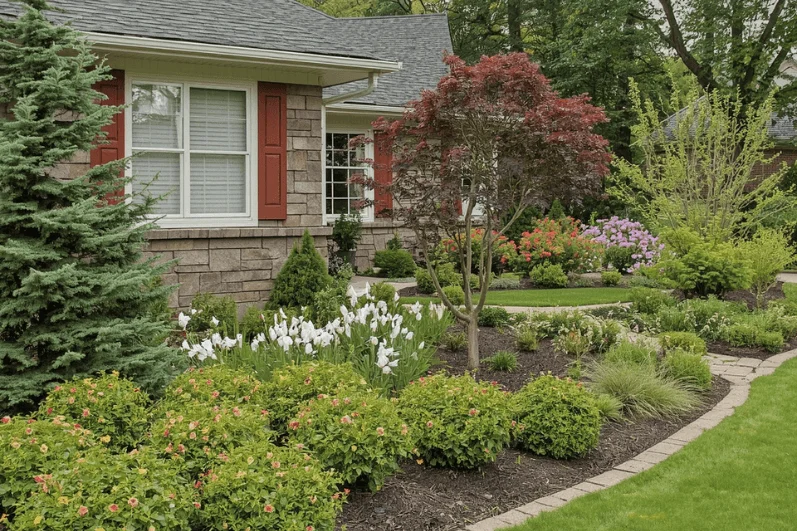
12 Softscape Ideas Transforming Outdoors and Curb Appeal
Last Updated on 06/01/2026
Key Takeaways:
- Building well-thought-out softscapes creates a balance in the landscape.
- Considering a few factors during plant selection can optimize softscapes.
- Some softscape ideas can inspire you to create better and more soothing garden areas.
- Avoiding mistakes can help build a better softscape to complement the landscape.
- Professional assistance can help design more appealing softscapes.
Introduction
A landscape refers to a balance of natural and artificial elements. People desire an outdoor space that promotes outdoor living and connects them to the environment. Building a patio, outdoor kitchen, fireplace, pergolas, and other structural pieces might encourage you to spend more time in the open.
But these structural features do not complete or complement the space. Outdoors are nothing without softscapes. Flowers, shrubs, and similar living elements in the yard fulfill the requirements.
What Should You Consider When Choosing Plants For Softscaping?
Here are a few factors that may influence your decisions related to softscaping and plant selection.
Climatic Conditions
Climatic conditions may make it difficult for non-native plants and trees to survive. Prioritizing native plants can help efficiently use water for the softscape and have a higher rate of survival in the local climate.
Sunlight Exposure
Some plants need full sunlight throughout the day, while some may need it for certain hours to grow. Always consider the sunlight exposure that plants may experience in the part of the yard.
Soil Type
Some plants grow well in well-draining soil, while others may need moist and wet soil. Choose plants and trees that suit the naturally available soil in the yards. It helps build a green and healthy softscape.
Seasonal Blooms
Plant saplings and seeds that bloom during different seasons. This versatility allows the softscape to remain colorful and lively throughout the year. People can also coordinate colors and hues for better results.
Height of the Plants
Softscapes can be a dramatic element in the landscape. You can use tall plants primarily, add some smaller plants to fill the gaps, and plant grasses to complete the visuals.
12 Ideas to Use Softscapes to Transform Outdoors
1. A Japanese Zen Softscape:
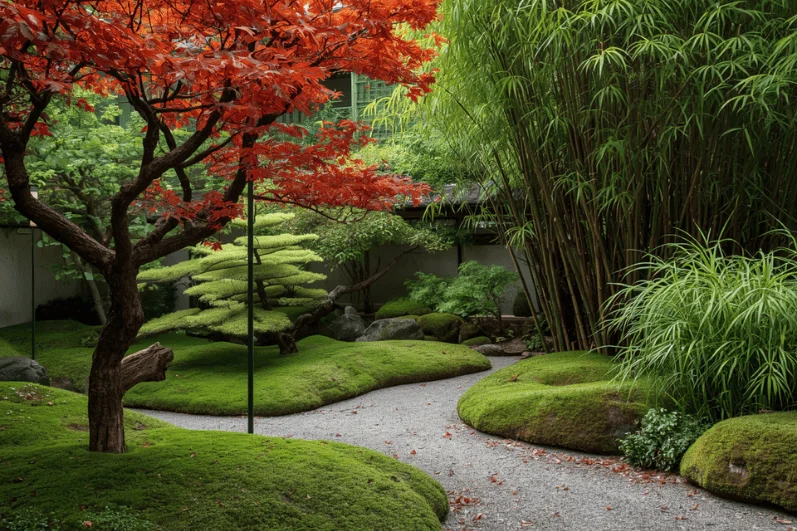
Japanese themes thrive in every background and environment. Similarly, Japanese moss, maple, and bamboo grass can restore tranquility and calmness in the landscape. A peaceful Japanese Zen garden is an incredible addition to the space.
2. Romanticising Outdoors with Flowerboxes:
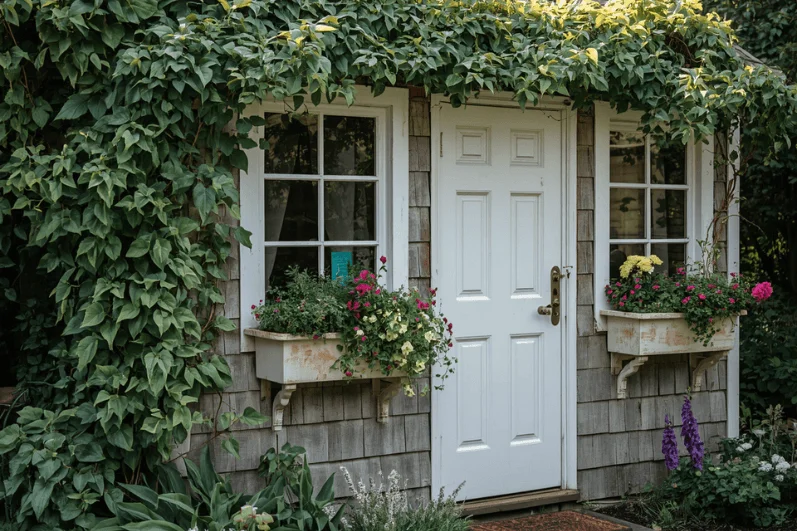
Greenery around utility sheds and outbuildings can add an emotion to the space. These detached structures can regain a sense of character with flowerboxes. You can adorn these flowerboxes with vines and cascading plants.
3. A Minimal Softscape with Modern Elements:
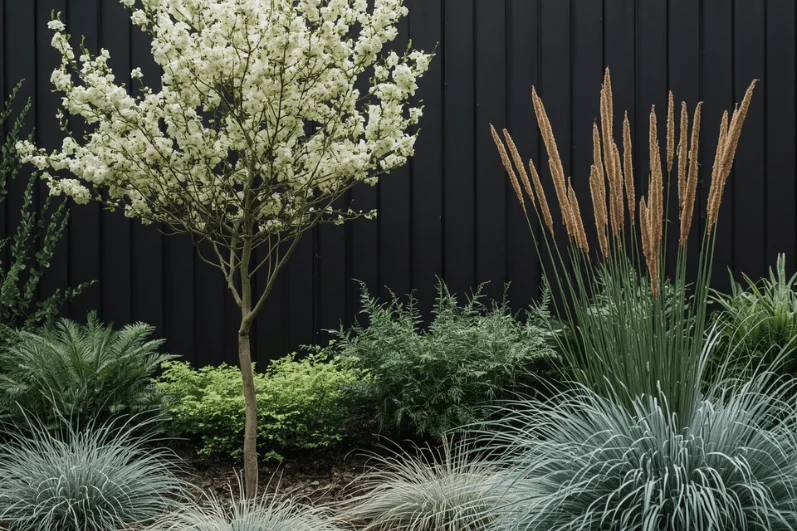
Modern softscapes are sleek, clean, and minimal. Choosing plants with architectural shapes, like the Ivory Silk lilac and fern, supports the modern appeal, along with grasses, like blue fescue or horsetail reeds.
4. Vines on Wooden Frames:
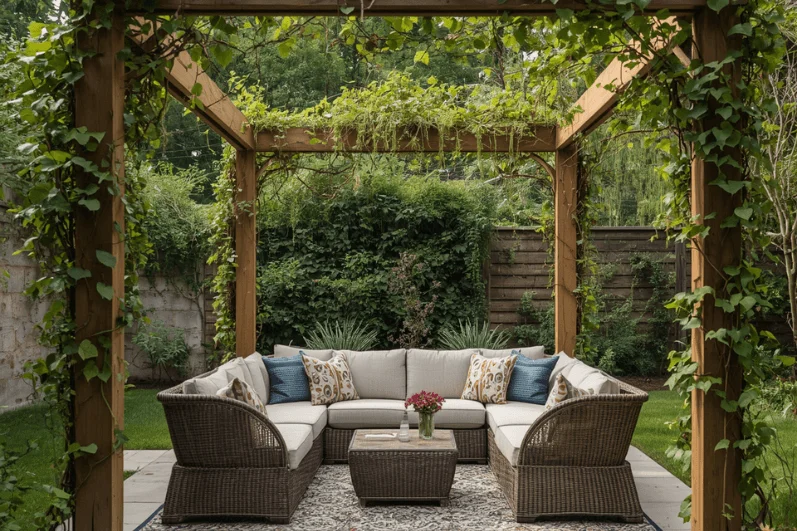
Outdoor wooden frames with well-designed outdoor living spaces need some calm and cooling elements. Vines climbing up the frame, creating soft walls around the structure, blend the softscape and architecture.
5. A Wabi-Sabi-Themed Softscape:
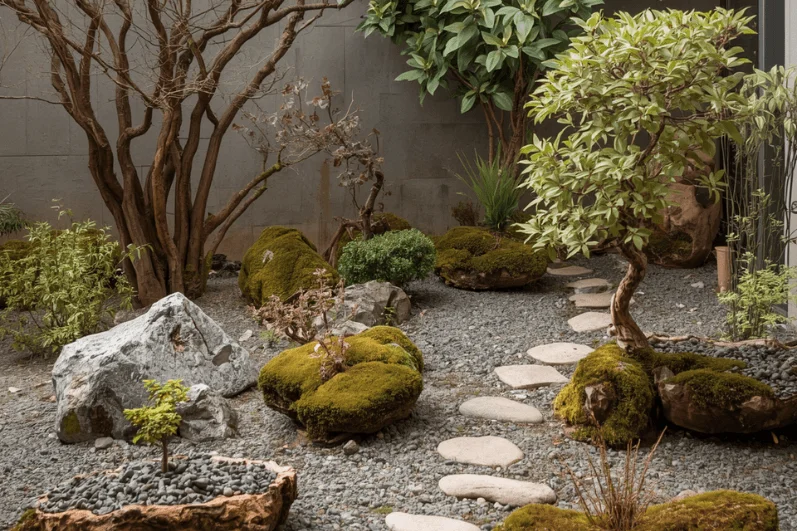
The wabi-sabi theme encourages you to maintain imperfect and incomplete aesthetics. A softscape based on the same theme enables random plant and tree placement in the outdoor space. It spreads the softscape area further.
Also Read: How Landscape Consulting Can Elevate Your Outdoor Project
6. A Calming Curtain of Vines:
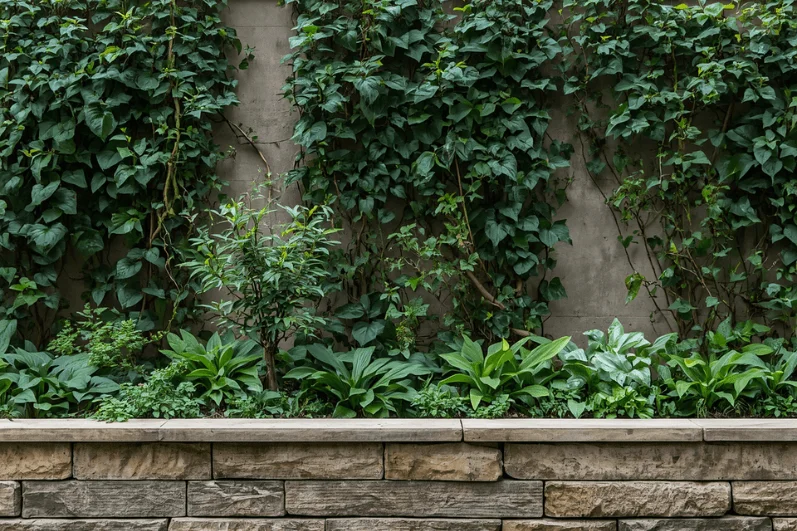
Hardscape features, like retaining walls and other structures, can be covered using pieces that serve the softscape. For instance, climbing plants and vines over hardscape can create smooth backdrops and covers.
7. A Cottage-Themed Softscape:
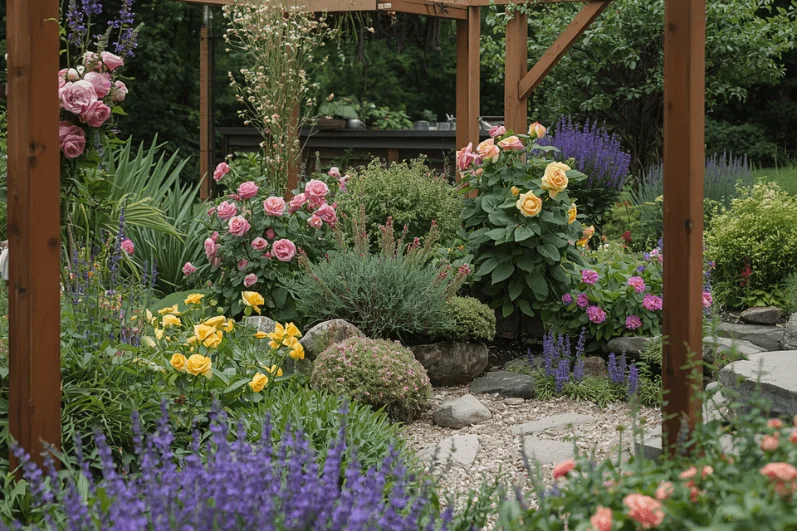
Creating a softscape with colors and fragrance can restore romantic vibes. Roses, lavender, and similar perennials can build charming and naturally appealing visuals. Softscapes with similar themes can thrive in modern and contemporary landscapes.
8. Intermingling Softscapes:
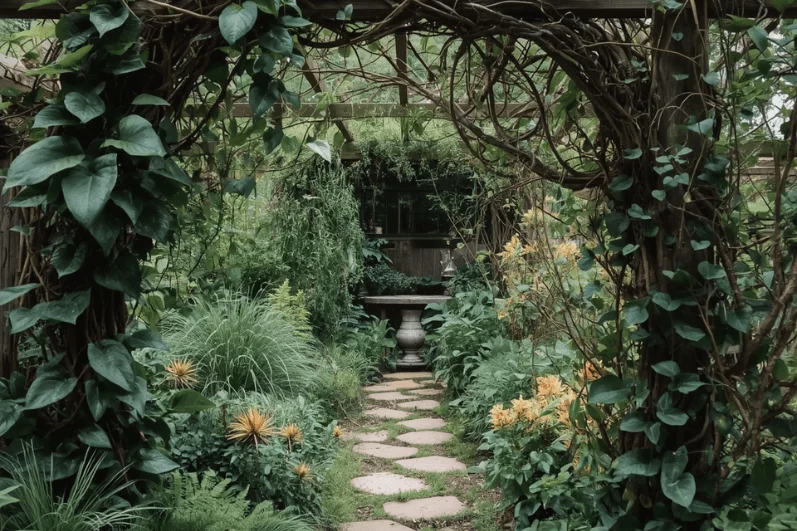
Untrained gardens are no longer unappealing. Instead, they carry raw emotions and turn into seductive escapes outdoors. Allow vines and plants to intermingle and coordinate with one another. The color and fragrance symphony establishes unique visuals and feel in the garden.
9. Loose Borders:
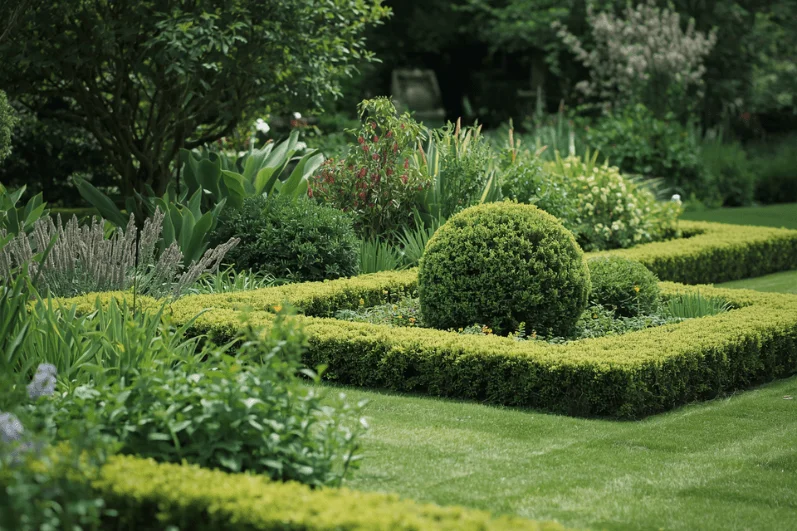
Cottage and well-designed softscapes grow within borders, keeping the space neat. Blurring borders is also a great idea to create soothing softscapes. The loose shrubs and plants grow freely, creating a tiered structure.
10. Leaf-Centered Softscapes:
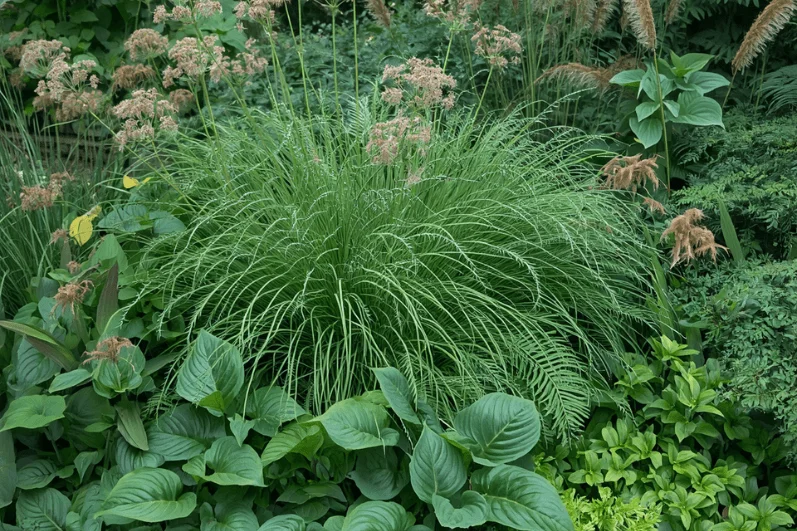
Flowers bloom and create visually striking gardens, but you must plan when they fall. Centering the focus on leaves can develop a garden space that serves year-round. Achillea, fern, and similar grasses with large and small leaves create texture in the space.
11. Irregular Plant Patches:
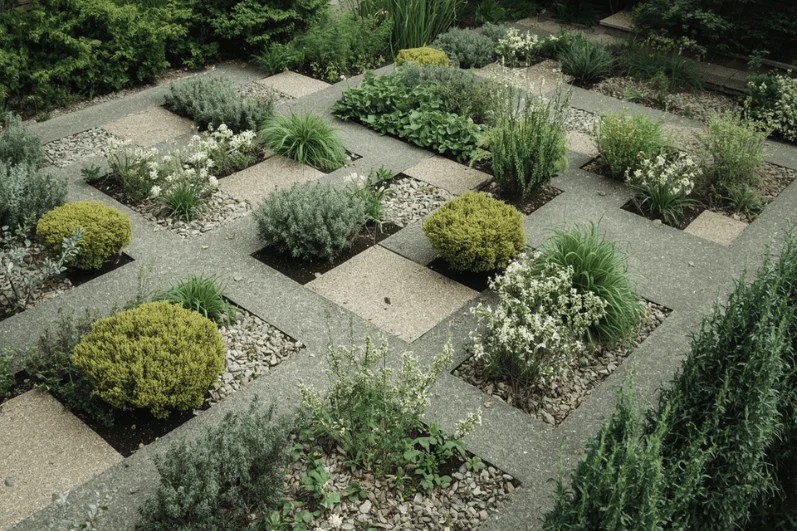
Instead of centering the entire garden in one place, you can focus on patches all around. Two or three plants grouped at a spot, and the next one some steps away, can be a unique arrangement for modern and traditional landscapes.
12. Mediterranean Theme Gardens:
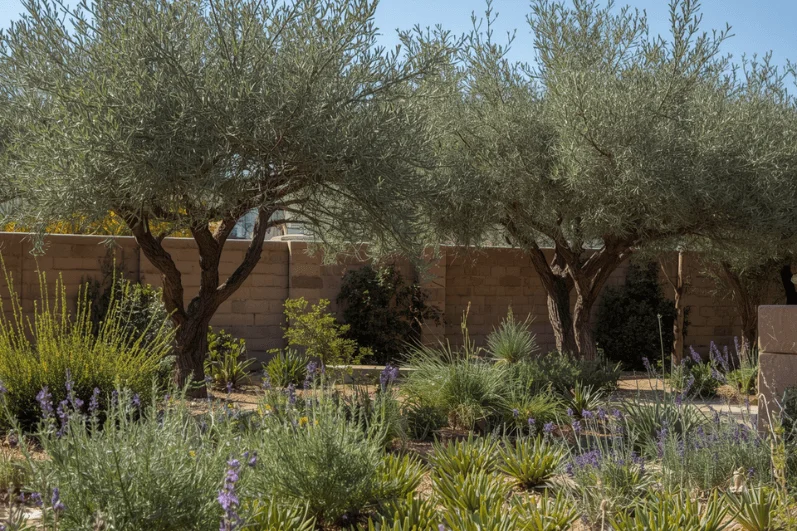
Olive trees, lavender, and rosemary are a few plant options that can withstand a drought-like and sunny climate. These low-maintenance plants can establish a warm essence in the garden and complement the Mediterranean-themed garden space.
Avoid These Softscaping Mistakes
Cluttered Plantation:
Planting grass, shrubs, and other vegetation too close together can create disputes during peak seasons. It can increase competition and even spread diseases around.
Ignoring Soil Before Plantation:
Common mistakes that affect the softscape are ignoring soil and its preparation. Planting into clay or unprepared soil results in inefficient growth.
Inappropriate Irrigation:
Overlooking irrigation is another mistake in the process. Before planting any seed or sapling, establish a suitable irrigation system to maintain water flow in the garden.
Conclusion:
Planning softscapes is crucial to balance the outdoors. Aesthetic and functional gardens can contribute to your outdoor living requirements. Considering expert assistance in designing and planning softscapes can make a difference.
At Landscape One Consulting, we offer our crucial assistance to home and property owners. We analyze the area, available space, yard region, and climatic conditions before defining the softscape. Share your expectations, and we will be ready to plan it well. Connect with us now!


Recent post
11 Stunning Hardscaping Ideas to Reimagine the Backyard
Top Three Landscape Styling Approaches Based on Personal Preferences